Our Natural Cold Processed Soap
Where does cold-process soap come from?
The earliest recorded evidence of the production of soap-like materials dates back to around 2800 BC in ancient Babylon.
A formula for soap consisting of water, alkali, and cassia oil was written on a Babylonian clay tablet around 2200 BC. (Wikipedia)
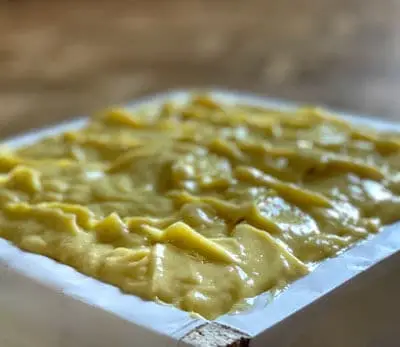
Basically, cold process soap consists of mixing fat with lye and water until a ‘trace’ is formed. This happens when the chemical reaction starts and the ingredients combine with each other, losing their original properties and becoming a salt: saponification has started.
The saponification generally takes about 24 to 48 hours to complete. Once completed all the lye will have reacted and therefore disappeared from the soap.
Cold Processed Soap requires a longer curing time, however, the olive oil properties will remain intact because the recipe does not require high temperatures. For the water to evaporate, the curing time goes from 4 to 6 weeks.
Cold-processed soap starts with one main ingredient: fat.
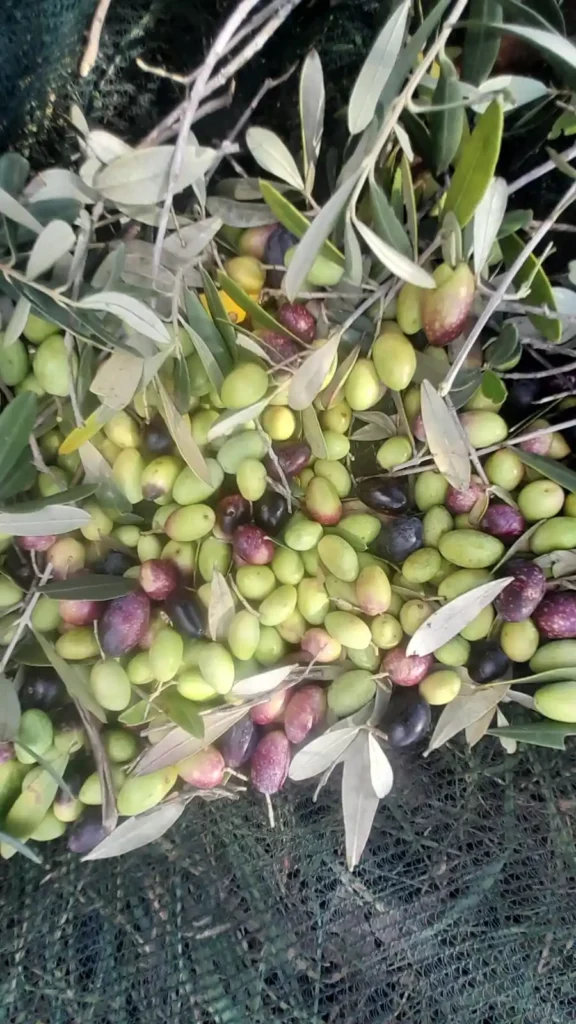
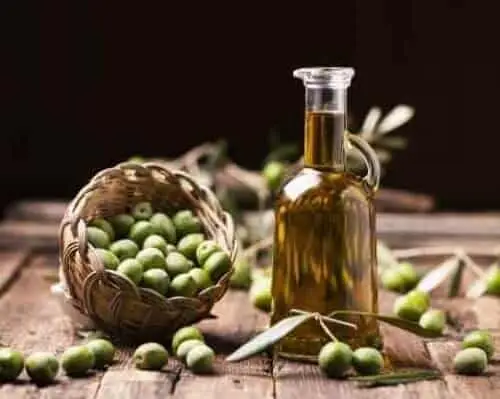
For us, it’s Organic Extra Virgin Olive Oil, which is deeply moisturizing and gentle without leaving an oily feel. As the soap cures, water evaporates, making the bars harder, while the lye used in the process completely disappears within days.
Not all handmade soaps are created equal, though. There are three main methods: melt and pour, hot process, and cold process. Melt-and-pour soaps, often made with glycerin, are popular for DIY projects but aren’t as pure or nourishing as cold-processed bars.
Cold-process soapmaking is the slowest method, but it’s the best for preserving quality. It involves mixing oils or fats with lye, which triggers saponification, creating natural glycerin that softens and nourishes the skin. The choice of oils impacts the soap’s hardness and lather.
When choosing handmade soap, read the label. Look for pure, organic oils or fats, and avoid synthetic colours and fragrances. For naturally coloured and scented bars, seek ones made with organic essential oils and natural colourants.
A bonus ingredient is Bentonite clay, which boosts lather and acts as a natural detoxifier. It binds with and removes toxins, plus it’s eco-friendly!
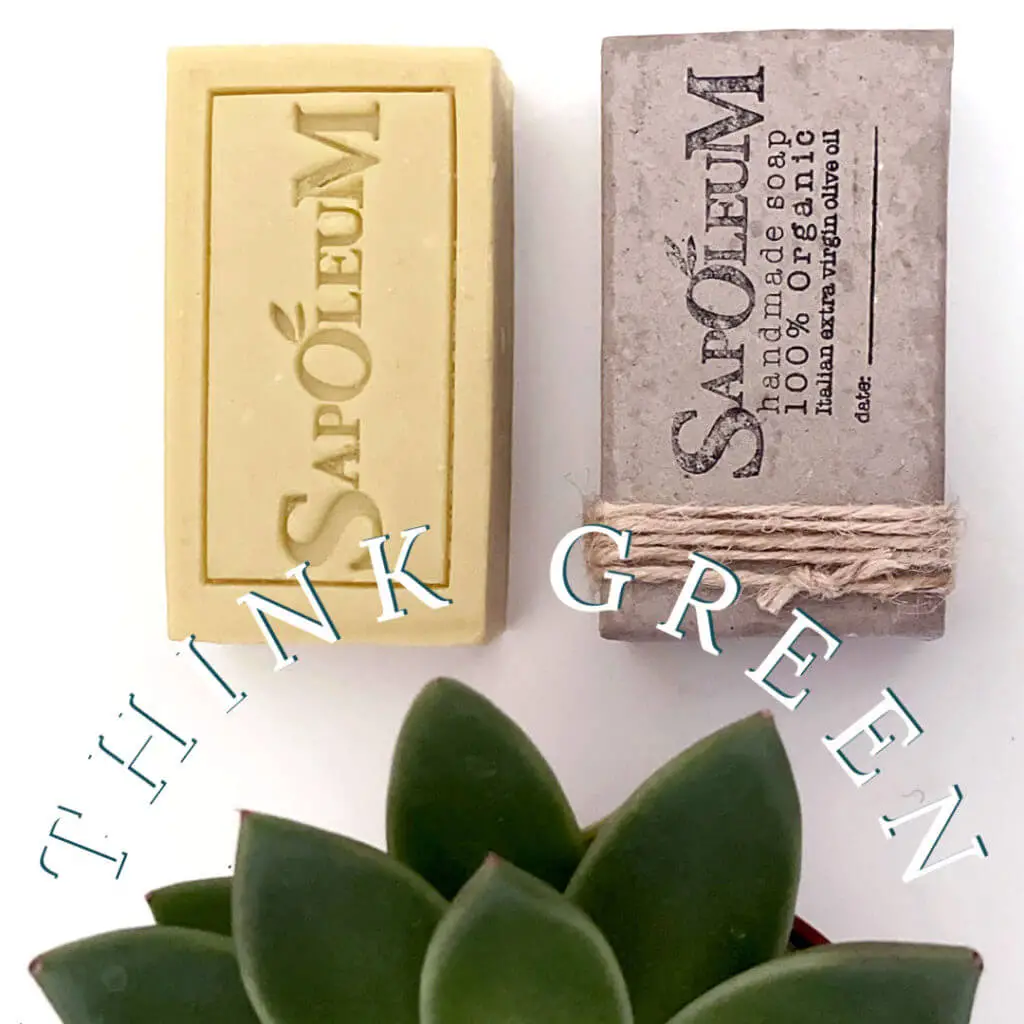
Choose Real: The Best Soap for Your Skin & the Planet
In short, the best soap for you and the planet is a handmade, organic, cold-processed bar. Once you try one of these natural treasures, you won’t go back to store-bought soap. Do your skin and the world a favour—choose real, all-natural soap!